Quick Weight Loss Advice

Best Clickbank Products
Showing posts with label the keto diet. Show all posts

Beginner's Keto Diet Plan

Beginner's Keto Diet Plan
 
The keto diet has recently gained prominence due to its health benefits, such as weight loss and disease prevention. The keto diet can be highly helpful, but how does it achieve this?

What is the Keto Diet, and how does it work?

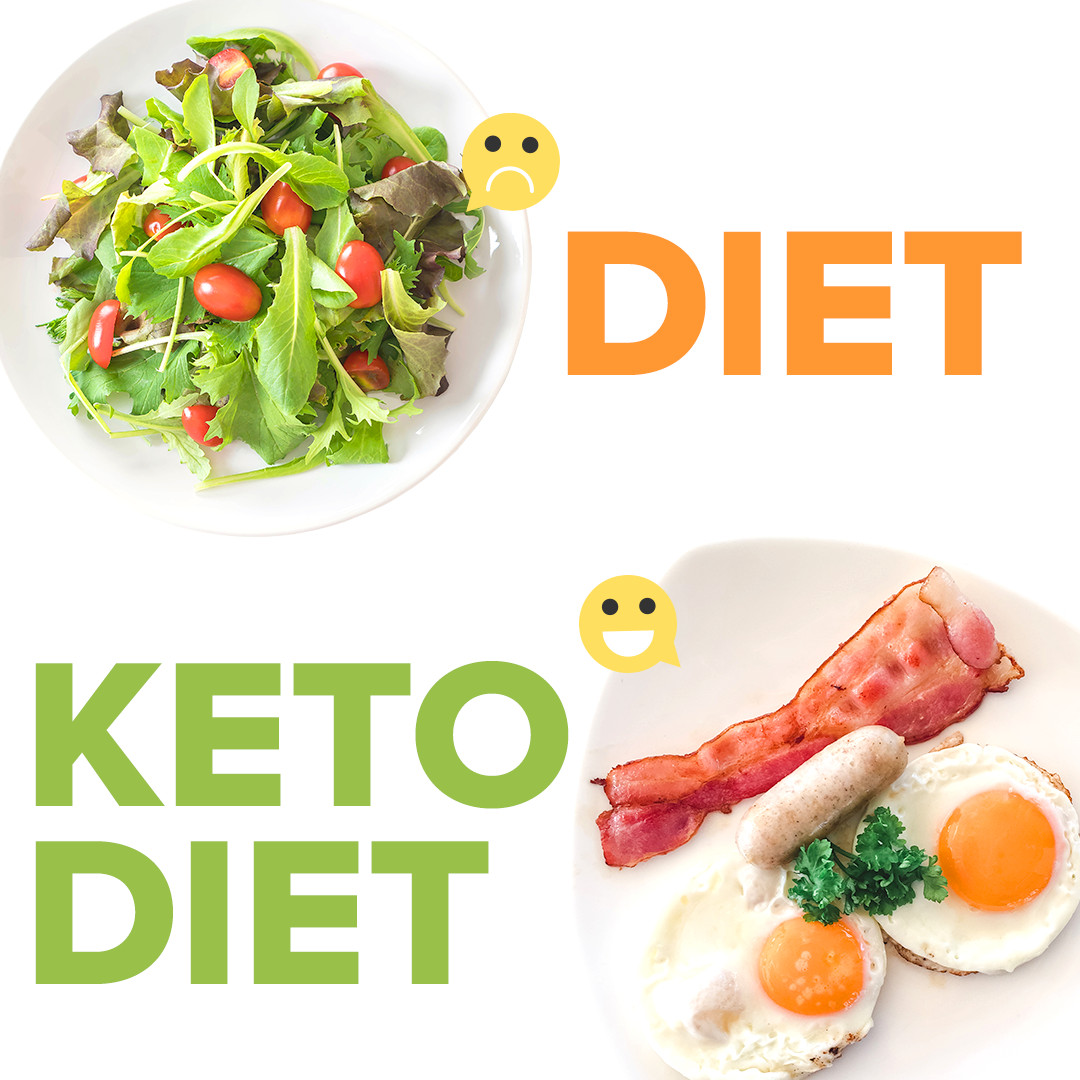
You've undoubtedly heard of the Atkins diet, which is high in protein and low in carbohydrates. The keto diet reduces carbohydrate intake while increasing fat intake. Instead of increasing protein intake, the keto diet emphasizes fat consumption. 
 
A standard keto diet consists of meals that are 75 percent fat, 20% protein, and 5% carbohydrate. And if you eat a high-fat diet, you will always be safe.

Seafood, beef, dairy products, eggs, vegetables, and nuts are often included on keto diet menus.
Keto meals have become more readily available as the keto diet has grown in popularity.
 

What Is the Keto Diet and How Does It Work?

Adding more fat to your diet can lead to weight loss, which may seem counterintuitive.
Your typical diet is rich in carbohydrates, which are broken down into glucose (also known as blood sugar) and used as energy.
 
When glucose reaches the bloodstream, insulin is released, causing extra glucose to be stored as fat.
The more sugars there are, the more glucose there is.
 
The more glucose there is, the more cholesterol there is, and the more insulin there is, the more fat there is. 


 The keto diet takes advantage of the fact that there is no insulin surge and you don't contribute to the fat stores when you eat high-fat, low-carbohydrate meals.
Instead, fat from the diet and fat processed in the body is broken down into ketones (“keto” stands for “ketogenic” ketones).

Ketones, like glucose, should be used for nutrition, keeping the body going without raising your blood pressure or causing you to gain weight.
The keto diet has a lot of advantages. 
 

Loss in weight

Overall, the keto diet is a perfect way to shed weight and burn fat.
Since consuming less carbs suppresses hunger, keto diet participants consume less calories overall, according to reports.
Rapid weight loss can be accomplished by burning fat for energy. 


Insulin and blood sugar levels are lower

Blood sugar and insulin levels are decreased as a consequence of the reduced food consumption.
This is especially important for those who have type 2 diabetes, which allows blood glucose levels to rise.
The keto diet will help diabetics limit or remove their insulin injections. 


Triglycerides Have Been Reduced

Triglycerides, which are fat subunit molecules, are commonly found in the bloodstream.
High triglyceride levels are a major contributor to the progression of heart disease.
Since fat is burned for energy on the keto diet, the number of triglyceride molecules in the blood decreases, lowering the risk of heart disease.


Cholesterol levels have improved

Another risk factor for heart disease is “bad” (LDL) cholesterol.
When your blood absorbs so much bad cholesterol, it builds up in your arteries, narrowing them and leading to atherosclerosis, a type of heart disease.
The keto diet increases poor cholesterol while increasing “good” (HDL) cholesterol levels in the body. 


 Conclusion

The keto diet has many health advantages.
This diet will help you lose weight easily while also maintaining your general health and avoiding disease. 


Custom Keto Diet Plan - Take The Free Quiz


Low Carb Vegetables: The Best and Worst Veggies To Eat On Keto

Low Carb Vegetables: The Best and Worst Veggies To Eat On Keto


Everyone knows vegetables are good for you. But for the keto diet, some are better than others.
All foods are made up of varying amounts of fats, proteins, and carbohydrates. With the keto diet, your goal is to keep your total carbs below 5% of your total daily intake. This is why it’s important to know how many carbs are in your vegetables. When a vegetable contains less than 5% carbs, it’s fine to eat it freely.


Vegetables and the Keto Diet

The keto diet is not a carnivore’s diet. Protein should be consumed only in moderate amounts because excess protein gets converted into sugar, which kicks the body out of ketosis.

Vegetables are essential on the keto diet because they deliver fiber and micronutrients. Fiber is necessary because it aids in the digestive process and helps your body absorb nutrients. It also controls blood sugar, and your appetite by making you feel full.

Vitamins and minerals, aka micronutrients, are vital to good health. As the name indicates, we only need tiny quantities, but micronutrients are required for the proper functioning of all the body’s systems. For example, iron is used to produce red blood cells and iodine helps your body metabolize fat. Deficiencies can cause major health problems, such as scurvy (vitamin C), anemia (iron) and even blindness (vitamin A).


Carbohydrates in Veggies

For the keto diet, the main thing you need to know about what you’re eating is how many net carbs it contains. It is easy to calculate using this simple formula: 
    Total Carbs — Fiber = Net Carbs 

While there are plenty of keto-friendly vegetables out there, things like spinach provide the biggest bang for you buck because they give you the most nutrients for the fewest carbs. Generally speaking, leafy is good, and green is going to be lower in carbs than more colorful vegetables. This is not to say that you should avoid tomatoes or peppers, but if you’re aiming to stay below 20 net carbs per day, these can add up quickly. Another general rule is if it grows above ground, it’s usually okay. But, like all rules, there are exceptions.

For all carb counts, the standard serving size is 100 grams, or 3 1/2 ounces.

The Winner’s Circle of Vegetables for Keto

Spinach High in fiber, packed with nutrients and only 1 net carb, spinach lowers blood pressure and is known to prevent cancer, making it a top pick for keto dieters.
Asparagus – Only 2 tiny carbs and oh-so-delicious. This is another anti-inflammatory champ that is loaded with vitamins and antioxidants. Wrap it in bacon or drizzle it with olive oil, this tasty veggie needs to be on your menu more often.
Cauliflower With only 3 net carbs per cup, cauliflower is a keto dieter’s friend. A variety of ready-to-cook treatments are now available, including riced or mashed versions, making cauliflower a versatile menu option. Whether you have a soft spot for potatoes or pasta, you can find a keto spin to make this one work as a substitute.
Broccoli An excellent source of many vitamins, research has shown broccoli to be beneficial in reducing inflammation and detoxifying the body, making it an anti-cancer power food. With only 4 net carbs per serving, it makes a great addition to the keto diet.
Zucchini Besides being yummy grilled or fried, zucchini is another noodle replacement option (“Zoodles”). Zucchini is one of the lowest in carbs of all the squashes, weighing in at only 3 net carbs per cup.
Romaine Crisp with a mild flavor, romaine has tons of vitamins and minerals. Don’t let the light green color fool you. At only 0.5 net carbs per leaf, you can enjoy all the salad you like.
Kale Kale has become a darling of the healthy eating trend. It’s green and leafy and packed with vitamins, so you should be able to eat as much as you want, right? Yellow caution light on this one. Kale contains more carbs than lettuce or spinach: 7 net carbs per cup.
Avocados (2 net carbs) and olives (3 net carbs) are also great for keto dieters, but they’re technically fruits.

Vegetables to Avoid on the Keto Diet

Not all vegetables are created equal. Generally speaking, vegetables that grow below ground should not be a regular feature in your keto diet.
Corn Considering you can make syrup out of it, you can probably guess corn is not low-carb. While technically a vegetable, corn is full of sugar with 15 net carbs per serving.
Potatoes Potatoes are a high starch food. At 15 net carbs per serving, they’ll throw you out of ketosis real quick. Try cauliflower instead.
Sweet Potatoes You don’t need to be a registered dietician to figure this one out. Sweet potatoes contain even more carbs than regular potatoes (17).
Peas – They get called “sweet peas” for a reason. At 14 net carbs per serving, peas should not be a regular feature of the keto diet.
Parsnips Not found as commonly on any menu, at 13 net carbs, keto dieters can skip them.
Onions Onions contain a surprisingly high amount of net carbs: 12. Garlic and ginger are also very high, but if you want to cut up a little bit for flavor in your stir fry, you’ll probably be okay.

 Carrots – 7 net carbs. Not the worst but not the best, carrots taste sweet for a reason.


Low Carb Vegetables: The Best and Worst Veggies To Eat On Keto

Conclusion

There are lots of ways to enjoy vegetables on the keto diet: in a salad, stir-fried, grilled, veggie sticks and dip, in a casserole. With the amount of recipes out there on the web, the possibilities really are endless. Packed with fiber and micronutrients, Mom was right again: you need to eat your veggies.